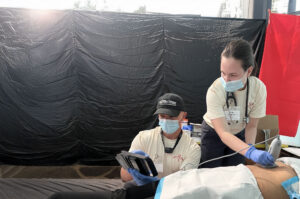

Professional Medical Mission Checklist
Compassion and commitment drive the call to serve in low-resource or high-need settings. For the medical provider, the complexity of preparation often tempers the excitement of service.
True mission-readiness requires meticulous attention to administrative, clinical, logistical, and spiritual details. In remote settings, overlooking a single detail, such as an expired credential or a forgotten medevac policy, can jeopardize mission success and team well-being. Readiness serves as an act of responsible stewardship, ensuring the delivery of high-quality care without compromise. This guide categorizes preparation into four manageable areas.
Administrative and Ethical Preparations
Securing personal and professional responsibilities is the first step toward a successful outreach.
Personal Documentation and Identification
- Passport and Visa Status: Passports must remain valid for at least six months beyond the anticipated return date. Providers must confirm necessary visitor or work permits before departure.
- Mission Credentials: Many organizations and host countries require letters or documentation outlining the mission’s specific intent.
- Extra Copies: Providers should maintain backup physical copies of all critical documents, including passports, licenses, plane tickets, and insurance, stored separately from the originals.
Clinical Licensure and Protections
- License Status: Professional licenses (e.g., PA, RN, MD, EMT) must remain active and valid for the entire duration of the mission.
- Local Registration: Providers must coordinate with sending organizations or local ministries of health to understand host-country requirements. Local laws may define healthcare roles more narrowly than those in the provider’s country of origin; compliance is mandatory.
- Malpractice and Liability Insurance: Providers must confirm that their malpractice insurance covers the specific country and the scope of humanitarian work being performed. International service often requires specialized legal coverage (Cunningham Group).
Financial and Emergency Readiness
- Travel and Medevac Insurance: Because emergency transport from remote locations can exceed $100,000, providers must secure medical evacuation insurance (Center for Disease Control).
- Banking and Currency: Notify banks of all travel dates and locations to prevent account freezes. Prioritize multiple payment methods, including sufficient local currency.
- Emergency Contact: Designate a reliable emergency contact at home to manage urgent matters during the trip.
Clinical Adaptation and Skills Refresh
Service in austere settings requires adaptability. Clinical readiness involves mastering skills rarely utilized in modern, fully equipped facilities.
Skills to Prioritize
- Physical Diagnostics: Refresh skills for making diagnoses based on patient histories, physical exams, and simple tests. Access to advanced labs or imaging may not be available.
- Trauma Protocols: Reviewing Tactical Emergency Casualty Care or Tactical Combat Casualty Care principles prepares providers to address preventable causes of death in isolated environments.
- Non-Standard and Alternative Treatments: When the standard of care is not feasible in many settings, providers must remain prepared to deliver the best possible care by maintaining up-to-date knowledge of pharmacology, wound closure, fracture fixation, and delivery.
Location Specific Preparedness
- Regional Health Profile: Researching common local illnesses and environmental injuries, using resources such as the World Health Organization, is essential for effective preparation.
- Contingency Communication: Teams must establish and practice protocols for requesting medical evacuations. In areas without cellular coverage, satellite phones are necessary investments.
- Cultural Competency: Learning basic medical phrases in the local language helps build trust and improve diagnostic accuracy. Humility and cultural awareness preserve patient dignity and professional integrity.
Essential Gear and Personal Preparation
Equipment should be durable and redundant to reduce the burden on local resources.
Personal Health and Maintenance
- Pre-Mission Check-ups: Resolve all dental, vision, and underlying medical issues before departure.
- Immunizations and Prophylactic Medications: Verify and obtain necessary vaccinations (e.g., Typhoid, Yellow Fever) and malaria prophylaxis as required by the region.
- Personal Medications: Bring a full supply of all personal prescriptions and over-the-counter medications, plus a one-week buffer.
Mission Gear
- Environmental Clothing: Lightweight, quick-drying, and modest garments made from natural fibers (wool, cotton, and linen) are ideal for most mission settings.
- Footwear: Providers require two pairs of broken-in, sturdy walking boots and a separate pair of sandals for use in bathing facilities to prevent fungal infections.
- Hydration: Maintaining personal hydration is a professional responsibility. A high-quality water filter and a durable water bottle are essential to reduce strain on local resources.
- Power and Navigation: Universal adapters, power banks, and solar chargers ensure communication and diagnostic devices remain functional. While GPS is standard, providers should also carry hard-copy maps and a compass as a fail-safe.
Stewardship Through Preparation
Meticulous preparation functions as both a spiritual discipline and a logistical necessity. Every secured document and refreshed skill represents an act of stewardship that honors the calling to the ministry of healing. By following these protocols, providers ensure that external logistical concerns do not distract from the mission’s focus: demonstrating compassion and providing quality care.
“They also will answer, ‘Lord, when did we see you hungry or thirsty or a stranger or needing clothes or sick or in prison, and did not help you?’ He will reply, ‘Truly I tell you, whatever you did not do for one of the least of these, you did not do for me.’” – Matthew 25:44-45